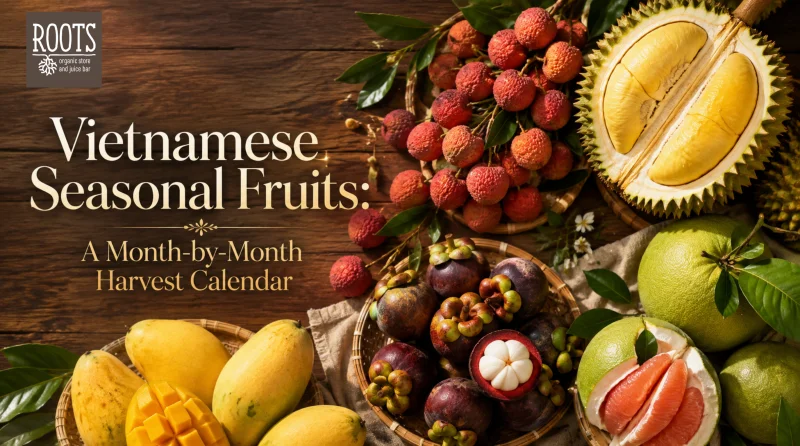
Vietnamese seasonal fruits follow different harvest rhythms across the North, Central Highlands, Central Coast, and Mekong Delta, so there is no single nationwide four-season calendar. However, a typical harvest pattern shows lychee and mangoes peaking around late spring and early summer, while durian, mangosteen, rambutan, longan, avocado, pomelo, persimmon, and star apple take turns through the rest of the year. Knowing the usual peak months can help shoppers choose fruit when supply is abundant, flavor is often at its best, and prices may be more favorable.
This guide provides a practical Vietnamese seasonal fruit calendar from January to December, highlights representative growing regions, explains how to choose ripe fruit, and shows what to consider when local fruit is between harvests. Because weather, cultivation methods, varieties, and crop cycles can shift from one province to another, the months below should be treated as typical windows rather than fixed rules.
Why Choose Vietnamese Seasonal Fruits?
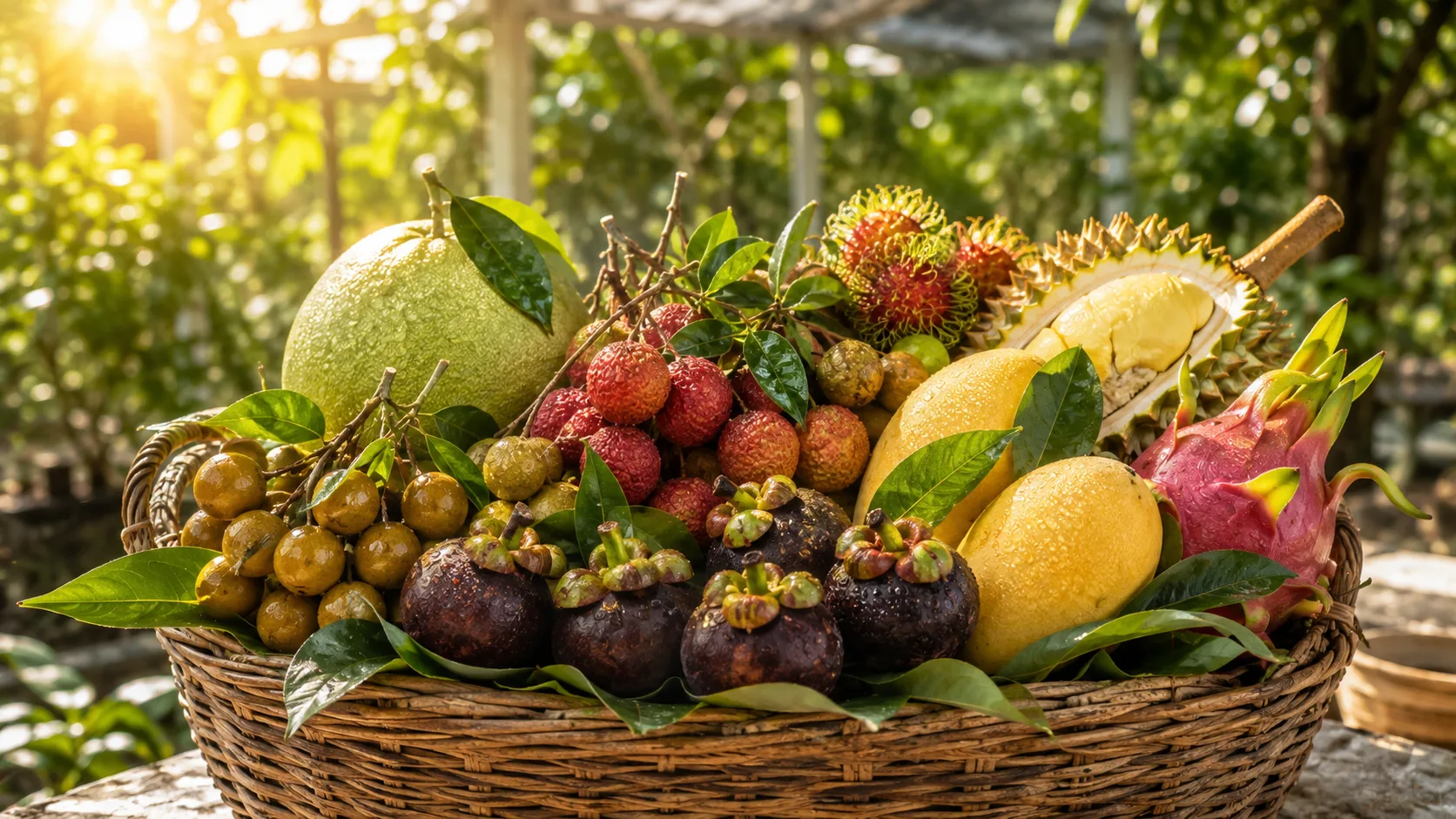
Choosing fruit in its normal harvest window can offer three practical advantages: better access to peak-season produce, potentially better value when supply is abundant, and a wider selection of locally grown fruit. Seasonality alone, however, does not prove that a fruit is organic, pesticide-free, or safer than an out-of-season product.
Freshness and Nutritional Value
Fresh fruit is an important source of vitamins, minerals, fiber, and other plant compounds. Variety matters because different fruits provide different combinations of nutrients; vitamin C, for example, is abundant in fruits such as citrus and kiwifruit, while many fruits also contribute dietary fiber and potassium.
Peak-season fruit is often attractive because it can reach consumers relatively soon after harvest and may have desirable flavor, texture, aroma, and maturity. Nutrient levels can also decline during prolonged storage, so freshness and time between harvest and consumption matter alongside the calendar month.
Seasonal Does Not Automatically Mean Chemical-Free
A common misconception is that fruit harvested in season is automatically free from pesticides or ripening agents. Seasonality can indicate that the crop is following a normal production cycle, but it cannot be used as a reliable test for pesticide residues, post-harvest treatments, or farming practices.
For consumers concerned about food safety, the better approach is to combine seasonality with traceable sourcing, appropriate agricultural standards, supplier information, and proper food handling. Fresh produce should also be washed thoroughly under running water before eating; the FDA does not recommend washing produce with soap or household detergent.
Better Value When Supply Is Abundant
Peak harvest periods can increase market supply, which may create more competitive prices, although actual retail prices depend on weather, crop yields, transportation, variety, quality grade, and demand.
For example, Vietnamese lychee has a relatively short peak season, generally concentrated around May to July, while southern durian production commonly peaks around May to August. Buying during a strong harvest window can therefore provide more choice between varieties and grades.
Vietnam Seasonal Fruit Calendar: January to December
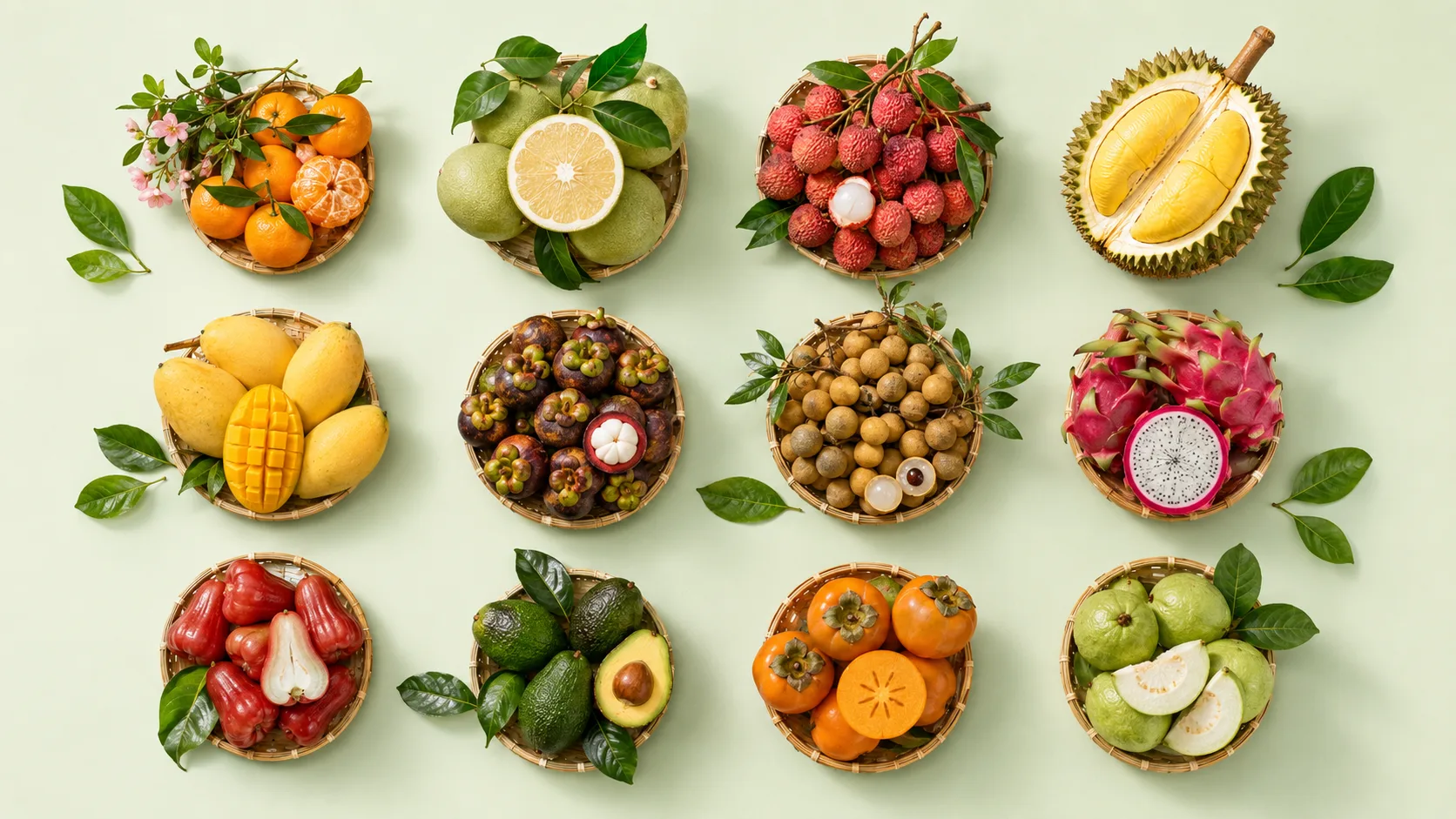
The table below summarizes typical peak or notable harvest windows, rather than claiming that every fruit is available only during the listed month. Vietnam's diverse climate means that the same fruit can have different harvest periods in different provinces.
|
Month |
Typical seasonal fruits |
Representative growing regions |
|
January |
Pomelo, orange, star apple, watermelon, banana |
Mekong Delta, Central Vietnam, southern provinces |
|
February |
Pomelo, star apple, orange, watermelon, dragon fruit |
Mekong Delta, Southeast Vietnam |
|
March |
Mango, star apple, pineapple, early avocado |
Mekong Delta, Central Vietnam, Central Highlands |
|
April |
Mango, avocado, pineapple, early lychee, dragon fruit |
Mekong Delta, Central Highlands, northern provinces |
|
May |
Lychee, mango, durian, mangosteen, rambutan |
Bac Giang, Hai Duong, Mekong Delta, Southeast Vietnam |
|
June |
Lychee, durian, mangosteen, rambutan, longan, mango |
Northern provinces, Mekong Delta, Southeast Vietnam |
|
July |
Durian, avocado, rambutan, longan, dragon fruit |
Central Highlands, Mekong Delta, Southeast Vietnam |
|
August |
Longan, custard apple, avocado, rambutan, pomelo |
Hung Yen, Mekong Delta, Central Highlands |
|
September |
Custard apple, pomelo, persimmon, sapodilla, longan |
Tay Ninh, Mekong Delta, Da Lat and northern highlands |
|
October |
Pomelo, persimmon, orange, star apple, dragon fruit |
Mekong Delta, Central Highlands, northern highlands |
|
November |
Pomelo, star apple, orange, dragon fruit, guava |
Mekong Delta, Central and southern Vietnam |
|
December |
Pomelo, star apple, orange, dragon fruit, guava |
Mekong Delta, Central and southern Vietnam |
Seasonal calendars published by agricultural and tourism references show substantial overlap between fruit seasons rather than four rigid periods. For example, ACIAR's Vietnam fruit calendar lists avocado from April to September, banana throughout the year, dragon fruit from May to October, durian from May to July in the referenced production system, and orange across several different periods. FAO material similarly records mangosteen production in southern Vietnam from May to August, with June and July as the peak period.
Editorial note: The calendar should be reviewed periodically because harvest timing can shift with weather, irrigation, variety, farming practices, and regional production.
Vietnamese Seasonal Fruits by Four Practical Seasons
Vietnam does not have one uniform four-season fruit system. The following grouping is therefore a reader-friendly way to organize the 12-month calendar, not a strict agricultural classification.
Spring Fruits: January to March
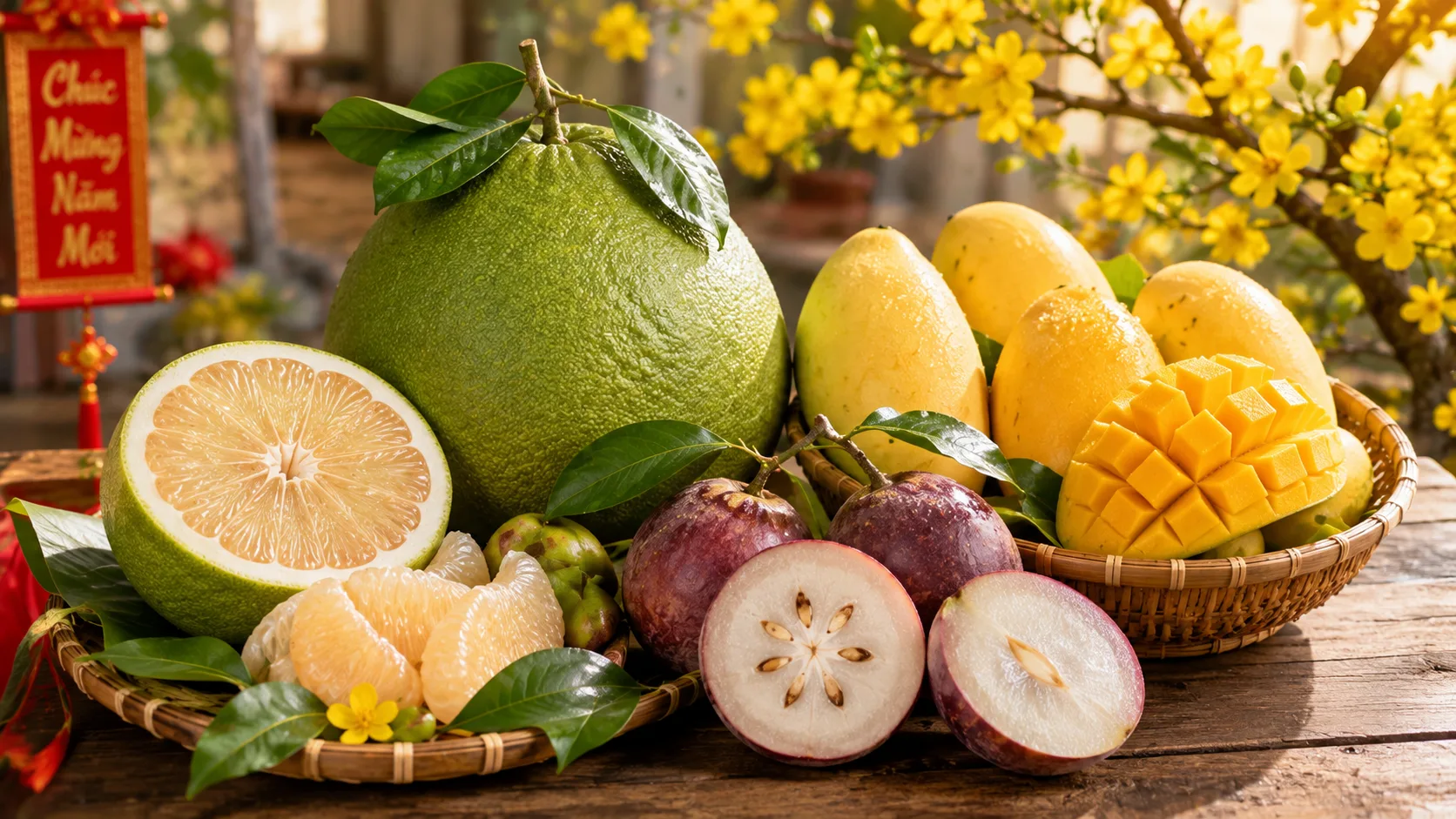
Typical highlights: Pomelo — Mekong Delta — January to February; star apple — southern Vietnam — late winter into spring; mango — southern Vietnam — March onward.
Pomelo is one of the most useful fruits to consider around the Lunar New Year period. Depending on variety and growing area, pomelo can remain available for extended periods, with southern production providing supply beyond the traditional holiday window.
Star apple is another southern specialty. Its creamy flesh and sweet flavor make it a popular fresh fruit, while its harvest timing can extend from late autumn into the following months depending on the growing area.
Mango begins to become increasingly important from March onward. Southern provinces such as Dong Thap, Tien Giang, and Ben Tre are associated with major mango production, although exact harvest dates vary by variety and cultivation method.
How to choose: Look for fruit that feels appropriately heavy for its size, has intact skin without extensive bruising, and shows the normal color and aroma associated with its variety. A single appearance test should not be treated as proof of farming method or chemical treatment.
Summer Fruits: April to June
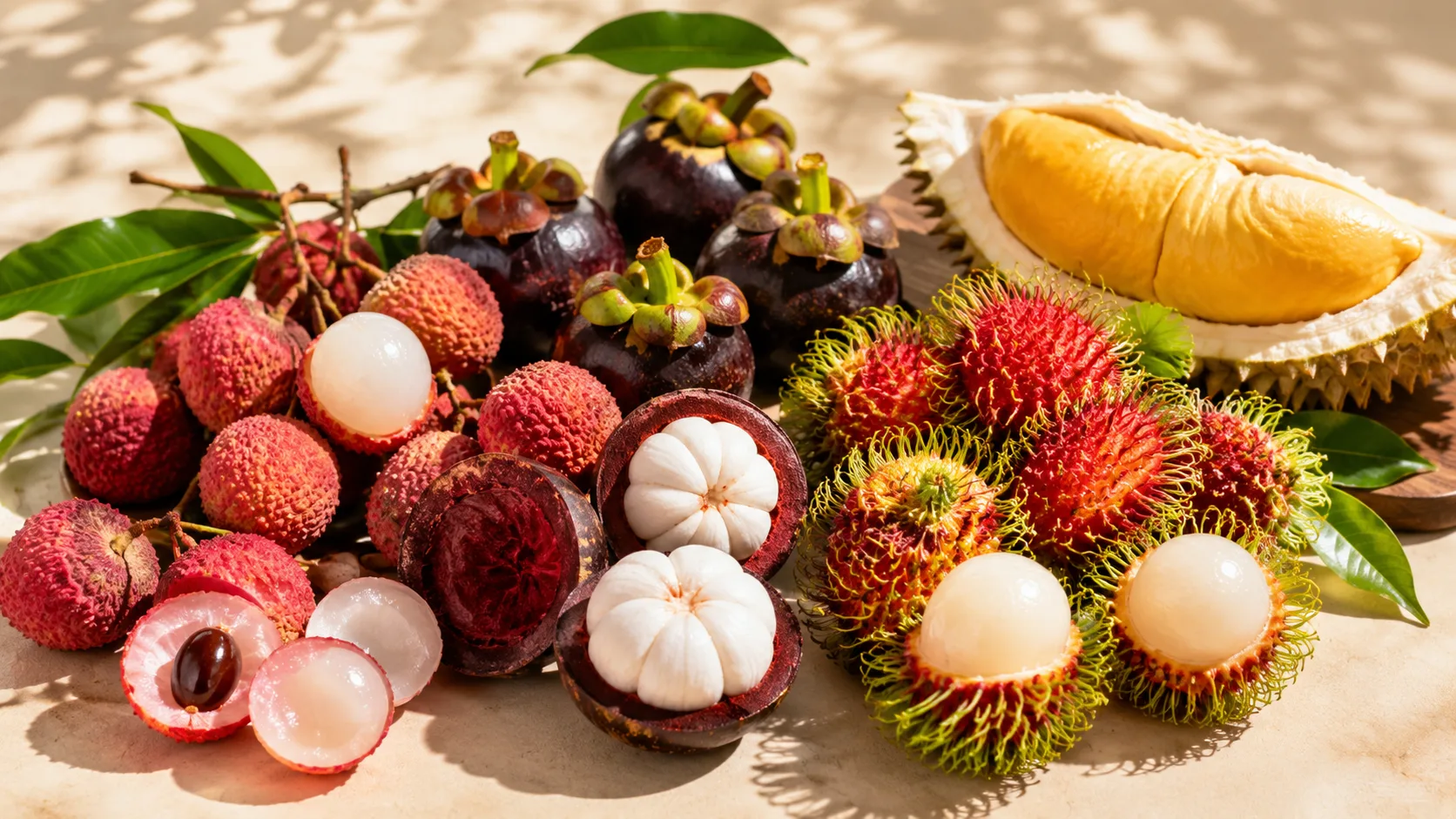
Typical highlights: Mango — Mekong Delta — March to June; lychee — Northern Vietnam — May to July; durian — southern Vietnam — roughly May to August; mangosteen — southern Vietnam — May to August.
This is one of the most diverse periods for Vietnamese fruit.
Lychee is one of the country's most recognizable seasonal fruits. Its main season is relatively short, generally running from May to July, with Bac Giang and northern provinces among the best-known production areas.
Durian becomes a major seasonal fruit from late spring into summer. Southern production commonly peaks from May through August, while harvest timing can differ between the Mekong Delta and Central Highlands.
Mangosteen is another classic summer fruit. FAO records a southern Vietnamese fruiting season from May to August, with June and July as the peak period.
Rambutan also becomes increasingly abundant during the warmer months, particularly in southern and Southeast Vietnam. The fruit is generally sold with its characteristic red or yellow-green skin and fresh stems.
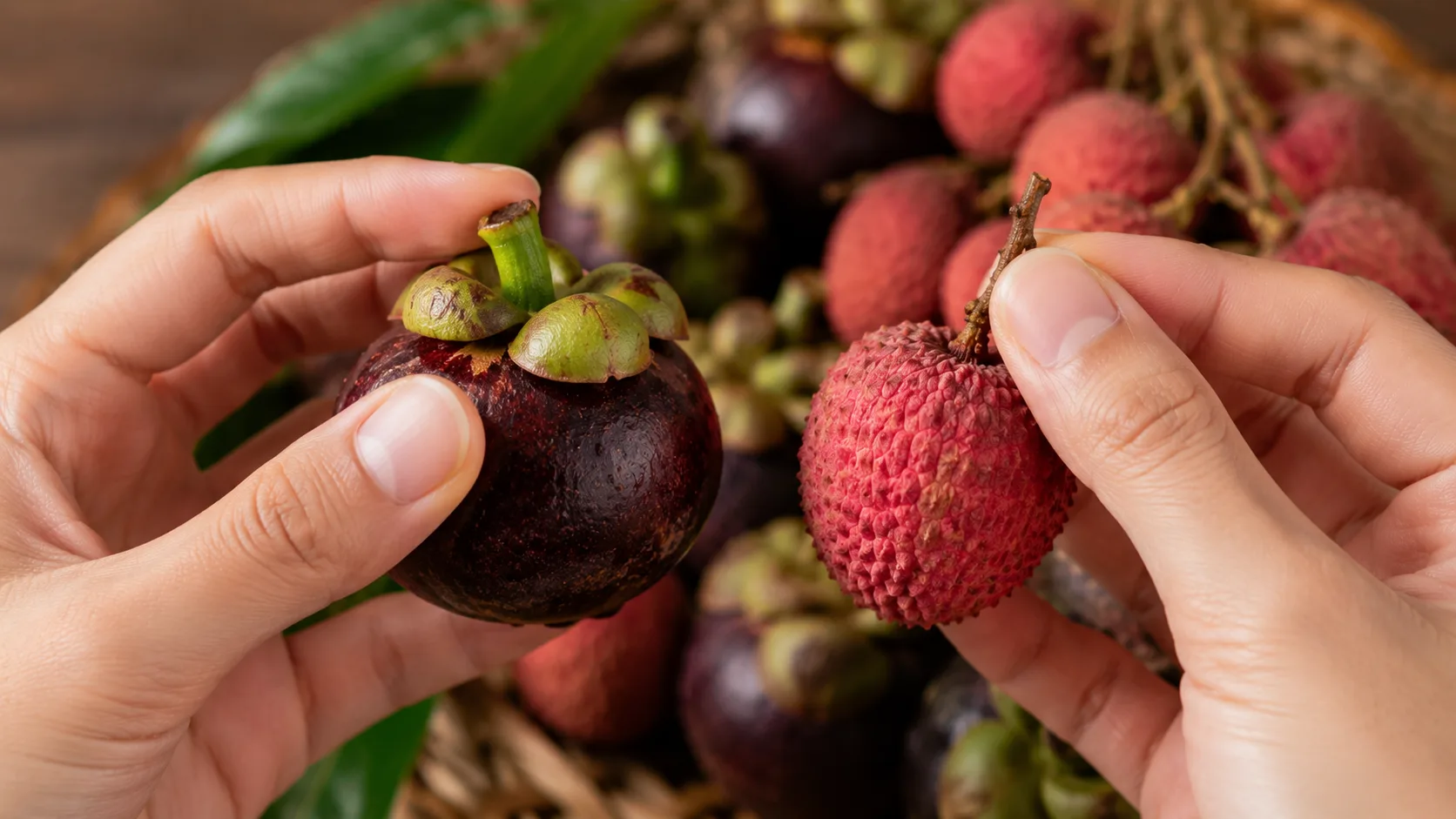
How to choose: For lychee and rambutan, prioritize fresh-looking stems and firm, intact skin. For mangosteen, choose fruit with a healthy-looking rind and slight resilience when gently pressed. For durian, aroma, stem condition, shell appearance, and the fruit's maturity should be considered together rather than relying on one tapping technique.
Autumn Fruits: July to September
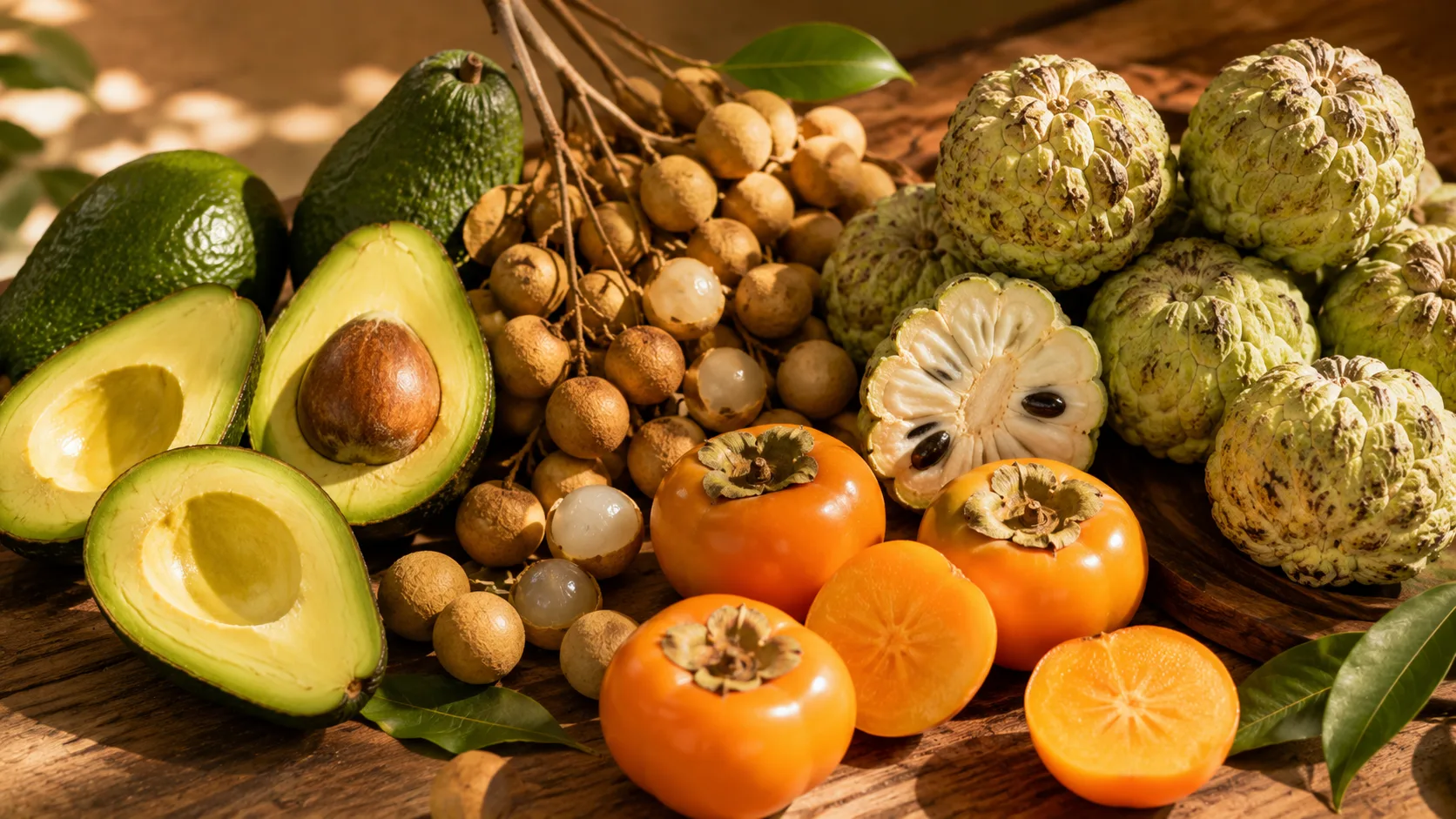
Typical highlights: Avocado — Central Highlands — April to September; longan — northern and southern Vietnam — June to September; custard apple — southern and northern growing regions — August onward; persimmon — highland areas — September onward.
Avocado is strongly associated with Vietnam's Central Highlands. FAO material describes Vietnamese avocado availability from February to August, with May to July as the main fruiting season in the production system studied. More recent seasonal guides also place the broader harvest window around April to September.
Longan becomes particularly relevant from June through September. Hung Yen is a well-known northern growing area, while the Mekong Delta also produces longan.
Custard apple, known locally as na or mãng cầu ta depending on context and variety, becomes increasingly prominent from late summer into autumn. Tay Ninh is particularly associated with custard apple production.
Persimmon marks the transition toward cooler-season fruit. Highland areas such as Da Lat are particularly well known for persimmon, with September onward becoming an important period.
How to choose: Avocado should generally be selected according to variety and intended ripening time rather than simply buying the softest fruit. Longan should have relatively fresh stems and intact skin. Persimmons should have firm, undamaged skin appropriate to the variety.
Winter Fruits: October to December
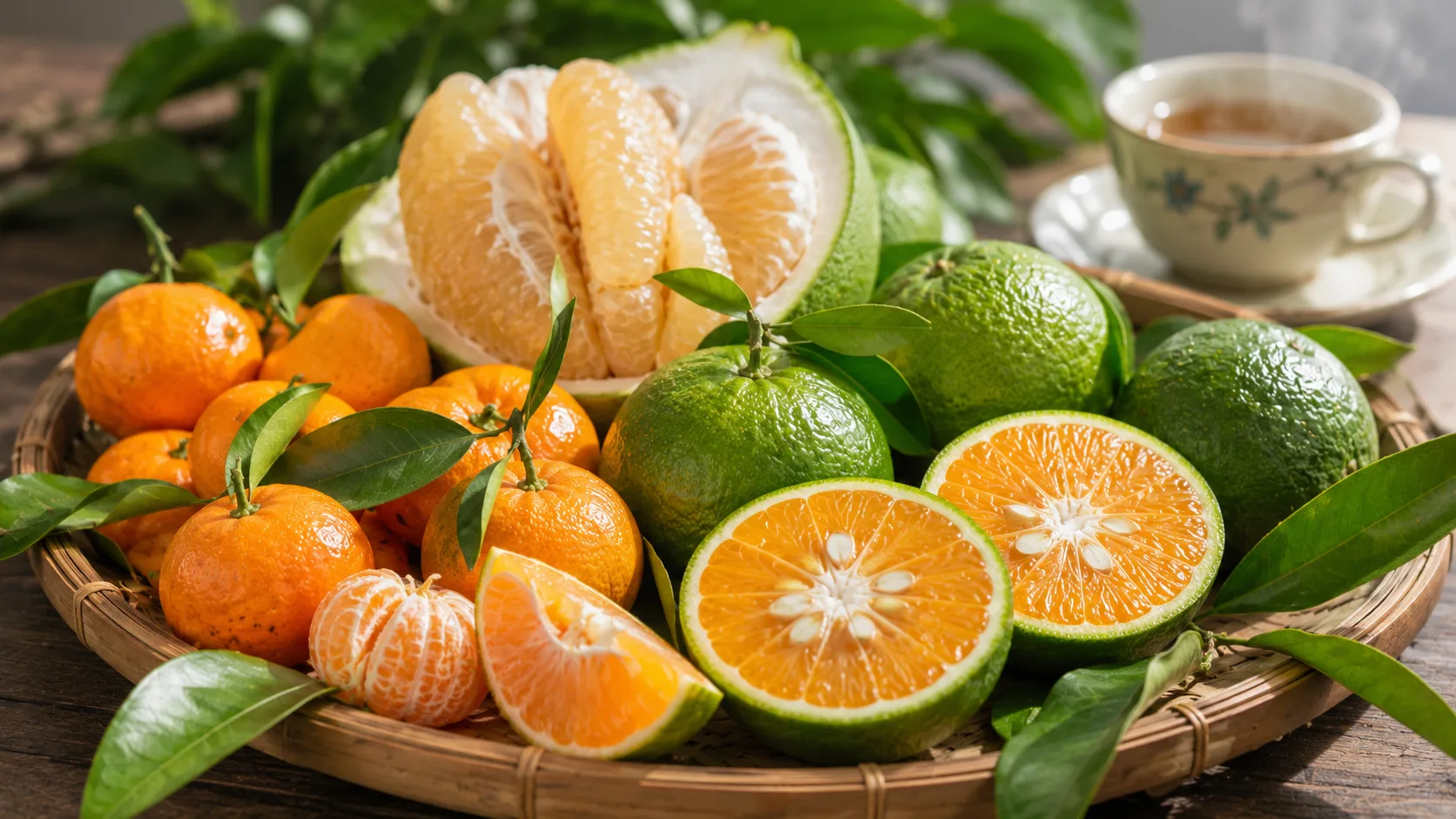
Typical highlights: Pomelo — southern Vietnam — autumn to winter; orange and tangerine — several regions — autumn and winter; star apple — southern Vietnam — late year into early spring; persimmon — highlands — autumn.
Winter does not mean Vietnam stops producing fresh fruit. Instead, the seasonal mix changes.
Pomelo becomes particularly useful during the later part of the year, with several Vietnamese varieties offering different flavor profiles and harvest periods.
Orange and tangerine production becomes increasingly visible during the cooler months, although Vietnam has multiple growing regions and production cycles.
Star apple is another fruit that can bridge late autumn and winter, particularly in southern production areas.
For consumers in northern cities, the local winter selection can feel narrower than the tropical abundance of southern Vietnam. This is where regional sourcing and imported fruit can complement domestic seasonal produce.
How to choose: Select citrus with intact skin, appropriate weight for its size, and a fresh aroma. Avoid fruit with extensive soft spots, mold, leaking juice, or damaged skin.
How to Tell If Fruit Is Fresh and Naturally Ripe
There is no reliable “three-second test” that can prove whether fruit contains pesticide residues or has been treated with a particular ripening chemical. Visual and sensory checks can help evaluate freshness and maturity, but they cannot replace traceability or laboratory testing.
Check the Stem
A fresh stem can be a useful indicator of how recently some fruits were harvested, particularly lychee, rambutan, and certain other fruits sold with their stems attached. However, stem appearance varies naturally among species and storage conditions.
Check the Aroma
Many ripe fruits develop a characteristic aroma as their flavor compounds mature. Mango, durian, pineapple, and some other fruits can become noticeably more fragrant as they ripen.
A lack of aroma does not automatically mean that a fruit has been chemically treated. Temperature, variety, storage, maturity at harvest, and packaging can all affect aroma.
Check the Skin and Texture
Healthy fruit normally has the characteristic appearance of its variety. Excessive bruising, mold, leaking, deep cuts, or unusually soft areas are stronger reasons for rejection than minor variations in color.
A fruit that looks perfectly uniform is not automatically unsafe, and a fruit with natural marks is not automatically safer. Appearance should therefore be used as one part of the selection process.
Check the Weight
Weight can help compare similar pieces of fruit. A fruit that feels heavy for its size may contain substantial water and flesh, but weight alone cannot determine ripeness, sweetness, pesticide residues, or farming practices.
Check the Inside When Possible
Some fruits can look ripe externally while remaining firm or immature inside. Buying from a retailer that can provide information about variety, harvest source, and handling conditions is therefore more useful than relying entirely on external appearance.
What to Do When Local Fruit Is Between Seasons
When a Vietnamese fruit is outside its normal peak period, consumers do not need to stop eating fruit. The practical solution is to combine seasonal domestic produce with fruit sourced from other Vietnamese growing regions or imported from countries whose production season complements Vietnam's.
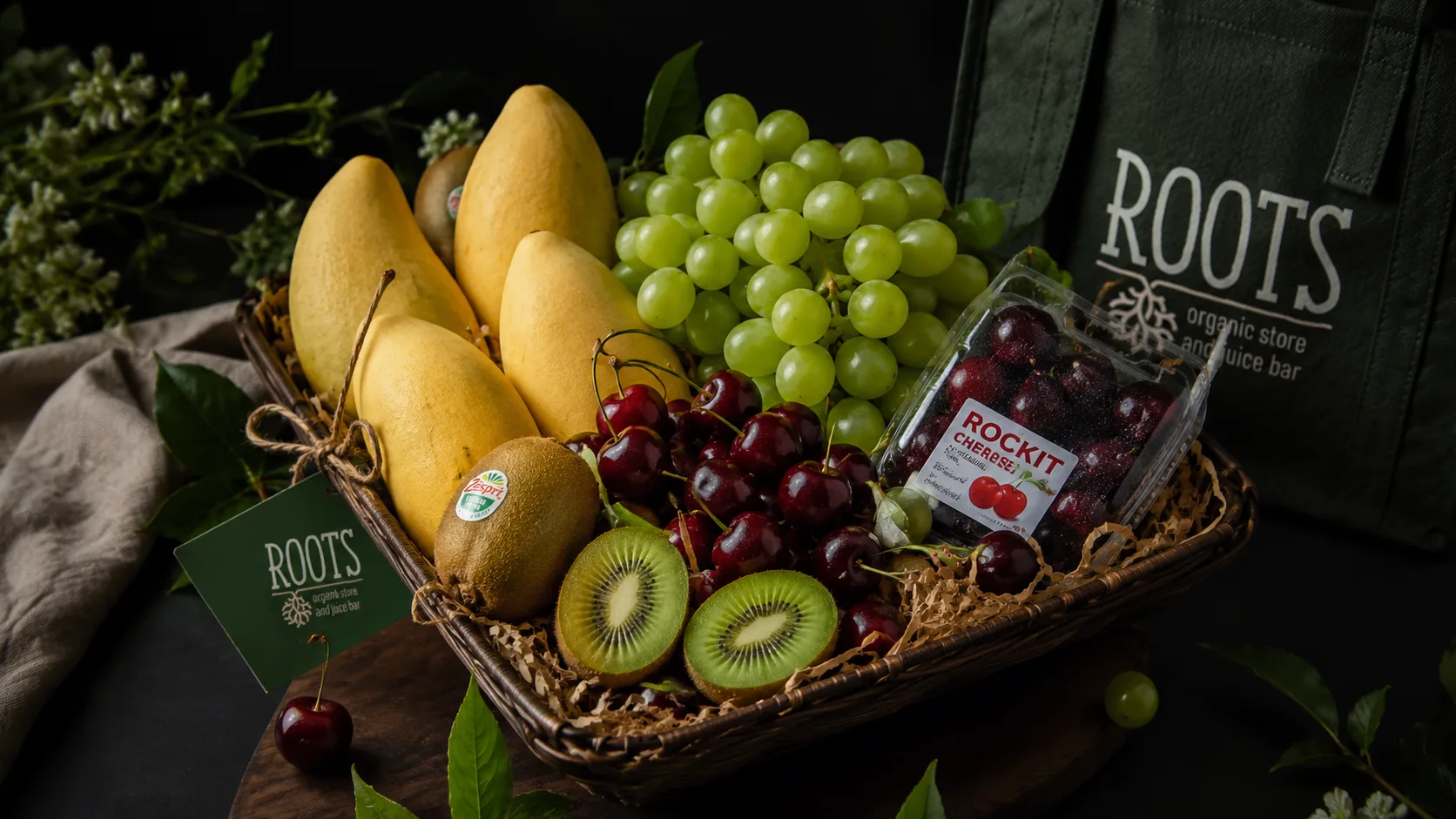
Imported fruit can be particularly useful for maintaining variety during periods when domestic supply is narrower. Kiwi, grapes, apples, pears, cherries, and citrus from different origins can complement Vietnamese mangoes, pomelos, bananas, guava, and other fruits.
The key is not to assume that “imported” automatically means safer or that “local” automatically means less safe. Consumers should consider origin, traceability, packaging, storage conditions, labeling, and the retailer's sourcing standards.
For shoppers in Ho Chi Minh City, ROOTS currently lists products such as Vietnamese Hoa Loc mango and imported U.S. grapes; its product pages state that goods have clear origins and offer 1-hour delivery within Ho Chi Minh City, while pricing varies by product and availability.
Wherever fruit is purchased, check the product information, inspect the condition of the fruit, and follow appropriate washing and storage practices.
Final Takeaway
The best way to use a Vietnamese seasonal fruit calendar is as a shopping guide rather than a rigid rulebook. Lychee and mango are especially associated with late spring and early summer, tropical fruits such as durian, mangosteen, rambutan, avocado, and longan dominate different parts of summer, while pomelo, persimmon, citrus, and star apple help carry the selection into autumn and winter.
Choosing fruit in season can make it easier to find varieties at their expected harvest period, but seasonality should not be confused with organic certification or a guarantee of chemical-free production. For better food choices, combine seasonal knowledge with traceable sourcing, careful inspection, proper washing, and variety.