Vietnamese Rice Guide: ST25, Jasmine & More How to Choose the Right One
Vietnamese rice includes fragrant varieties such as ST25 and jasmine rice, broken rice used for cơm tấm, and whole-grain options such as red rice. ST25 stands out for its aroma, soft texture and international awards, but the best choice depends on the dish, preferred texture, budget and whether organic production matters to you.
This Vietnamese rice guide explains how the main varieties differ, why ST25 became internationally famous, and what “jasmine rice” actually means in comparison. It also covers broken rice, red rice, organic ST25, basic cooking ratios and a meal-first framework, so you can choose rice for the way you actually eat rather than buying by reputation alone.
What Makes Vietnamese Rice Different?
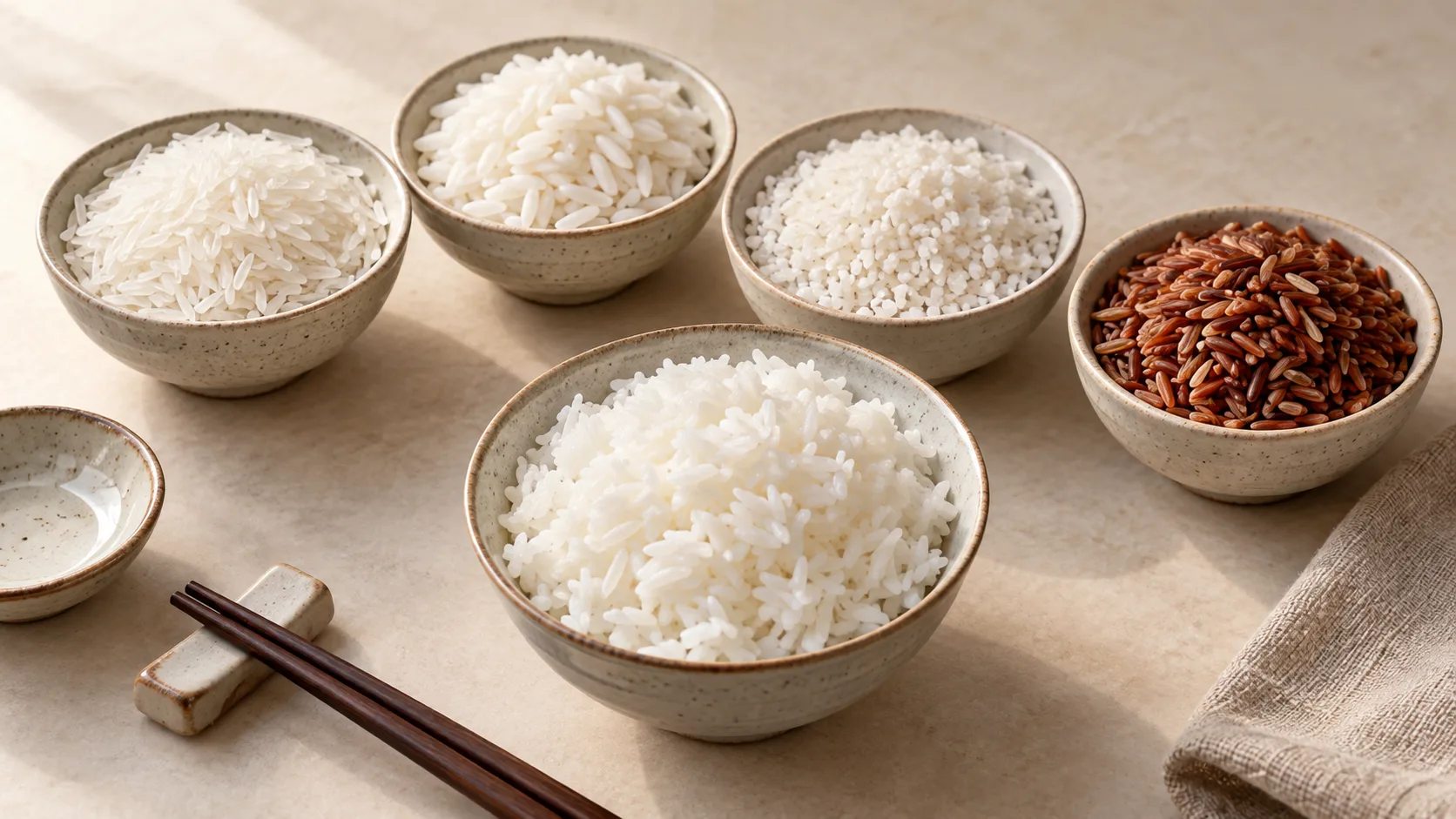
Vietnamese rice is diverse because it is grown across different climates, soils and farming systems, with the Mekong Delta at the heart of the country’s rice culture. A useful Vietnamese rice guide therefore needs to look beyond a single “best” grain and consider variety, growing region, milling style and intended dish.
One distinctive Mekong Delta system is rice–shrimp rotation. Rice is grown during the wetter, lower-salinity season, while shrimp is farmed during the drier period when salinity becomes too high for rice production. Researchers describe this as a long-established rotational system whose sustainability depends on careful water, soil and nutrient management.
When a rice label says “lúa–tôm,” or rice–shrimp, it describes the farming system rather than automatically indicating organic certification. Shoppers who specifically want organic rice should still check the package for a stated certification or clearly documented organic production method.
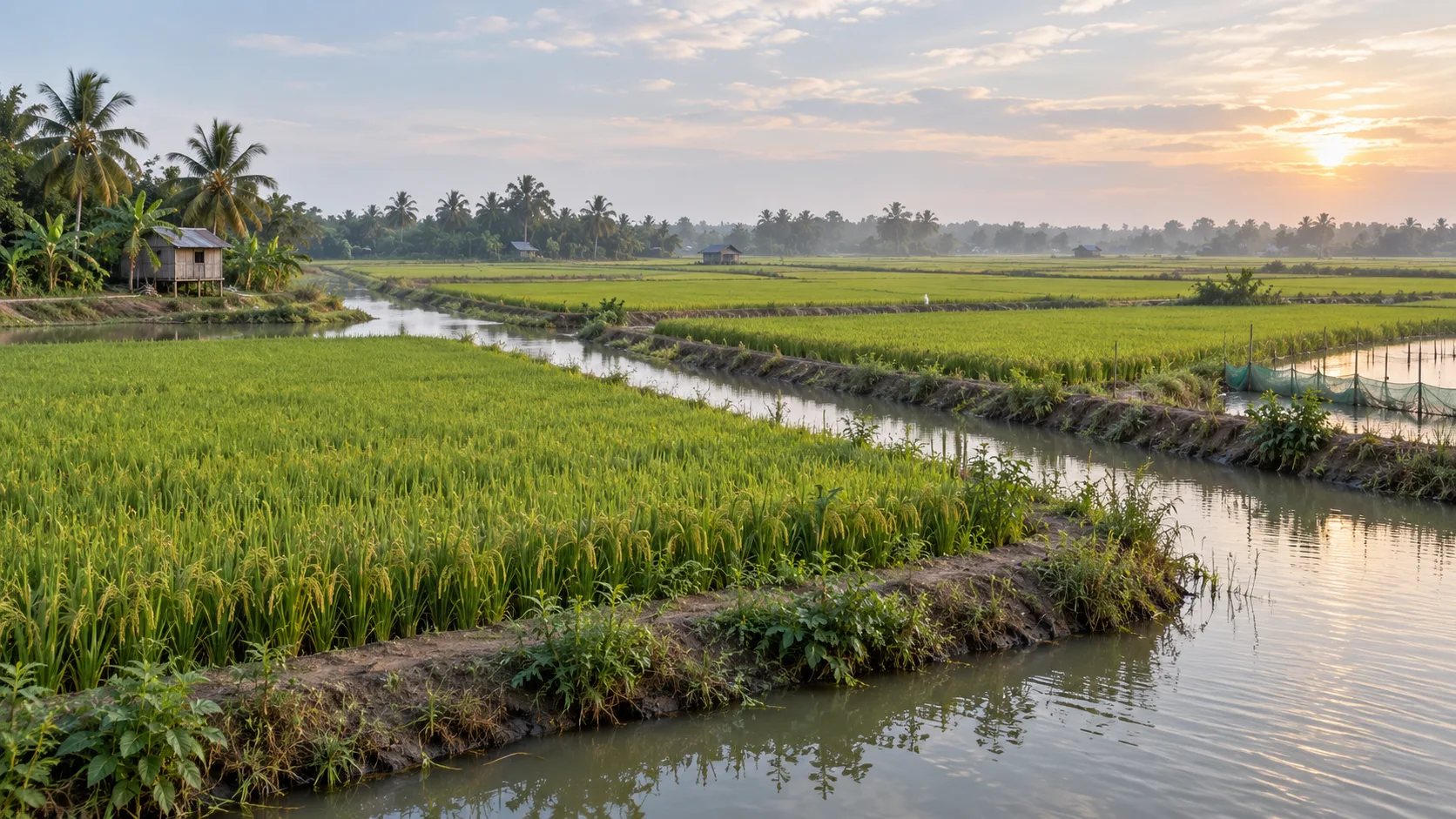
Rice is generally cultivated during the wetter, lower-salinity season, while shrimp production shifts to the dry season when salinity rises—a pattern documented in research on rice–shrimp farming systems in the Mekong Delta.
What Is ST25 Rice?
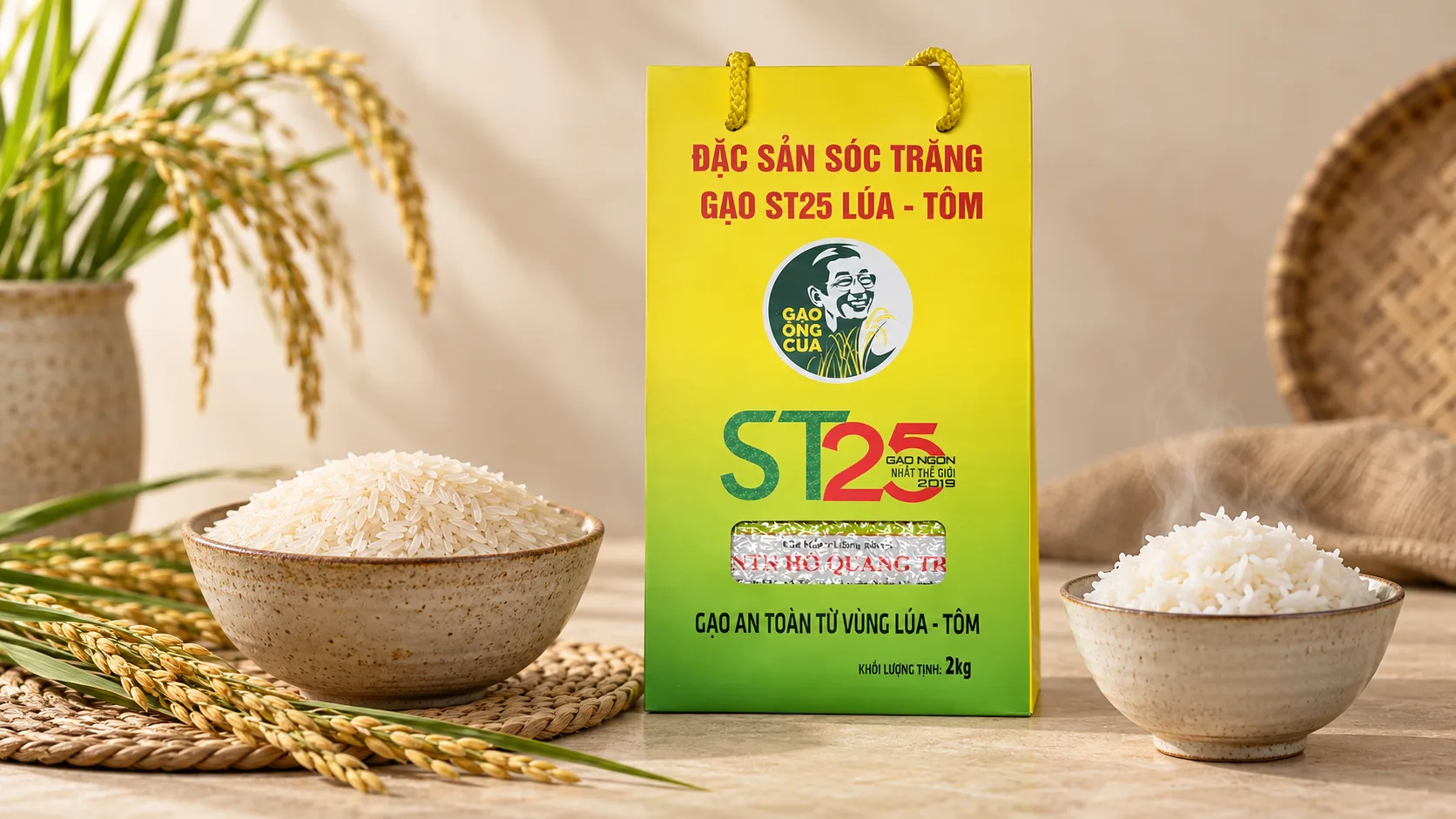
ST25 is a named Vietnamese aromatic long-grain rice cultivar developed by a team led by engineer Hồ Quang Cua and associated with Sóc Trăng in the Mekong Delta. In this Vietnamese rice guide, ST25 is treated as a specific cultivar rather than a synonym for every premium fragrant rice from Vietnam.
Where ST25 Comes From
The ST rice line was developed over decades by Hồ Quang Cua together with collaborators including Dr. Trần Tấn Phương and Nguyễn Thị Thu Hương. ST24 and ST25 emerged from this breeding work and became important representatives of Sóc Trăng’s fragrant-rice tradition.
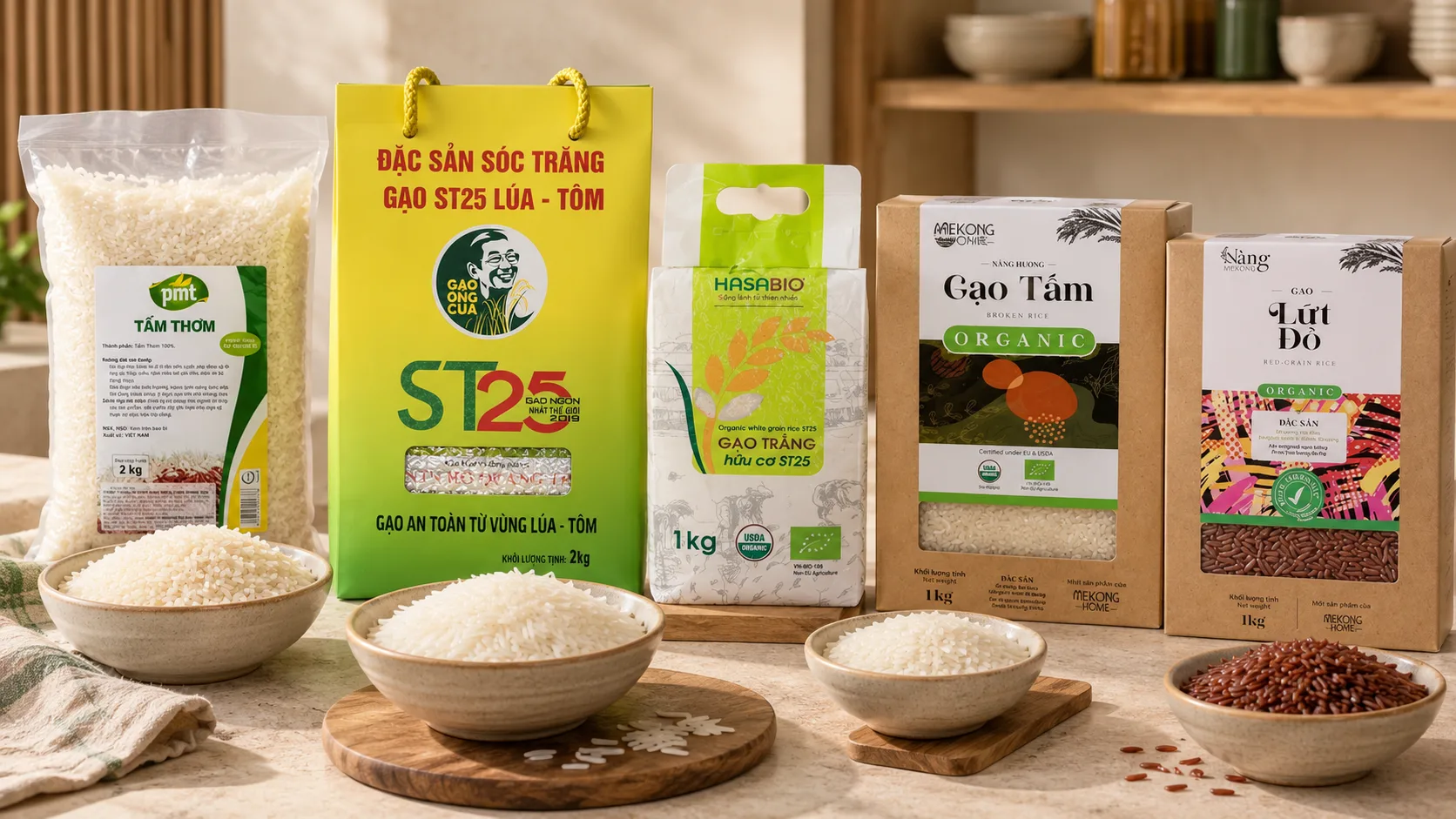
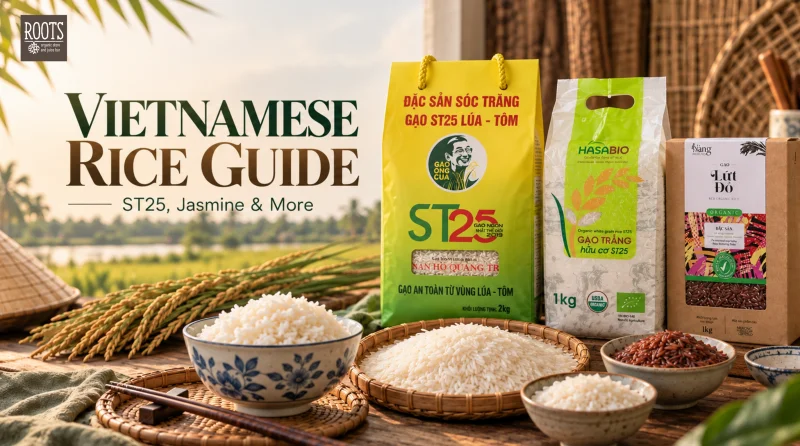
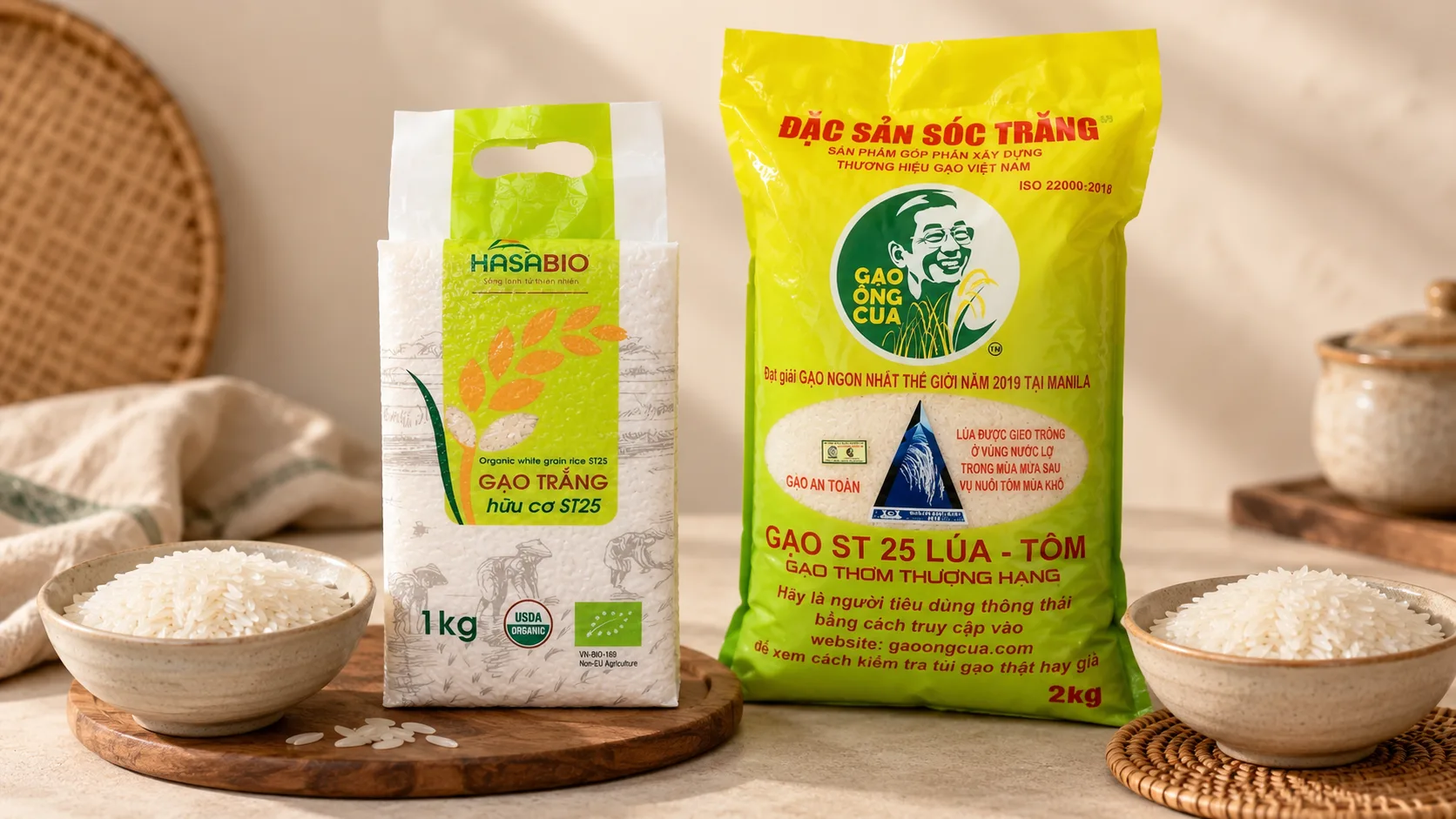
ST25 is also suited to some rice–shrimp farming areas. Gạo ST25 Lúa Tôm Cao Cấp Sóc Trăng – Gạo Ông Cua, 2kg, for example, is made from 100% ST25 rice from Vietnam and combines the named cultivar with the Mekong Delta rice–shrimp farming context.
This type of ST25 is especially suited to meals where the aroma and texture of the rice itself matter, including traditional family meals served with relatively simple dishes.
ST25 has received World’s Best Rice honors in 2019, 2023 and 2025, giving the cultivar an international award history that extends beyond its original 2019 win.
Why ST25 Became World Famous
ST25 first attracted major international attention when it won the World’s Best Rice title in 2019. It subsequently received World’s Best Rice honors again in 2023 and 2025, giving the cultivar a longer international award history than the single 2019 win still mentioned in many older articles.
For this Vietnamese rice guide, the exact wording is important. ST25 won or shared the title in specific competition years; describing it permanently as “the world’s best rice” would be less precise because the competition is held repeatedly and the winning field changes.
What Does ST25 Rice Taste Like?
ST25 is known for long, slender grains, a fragrant aroma and a soft, cohesive cooked texture. It is often described as having gentle sweetness together with pandan-like or young-rice aromatic notes.
These characteristics make ST25 particularly attractive when plain steamed rice is a central part of the meal rather than simply a neutral base for strongly seasoned food.
ST25 Rice vs Gạo Ông Cua: Are They the Same?
No. ST25 is the cultivar name, while Gạo Ông Cua is a brand associated with the team behind the ST rice line. Shoppers may encounter rice produced from the ST25 cultivar under other brands, so the two names should not be treated as interchangeable.
This distinction is useful when comparing packages. A Vietnamese rice guide should encourage shoppers to check the cultivar, producer, origin, farming method and certification rather than assuming every package carrying “ST25” offers an identical product.
ST25 vs Jasmine Rice: What’s the Difference?
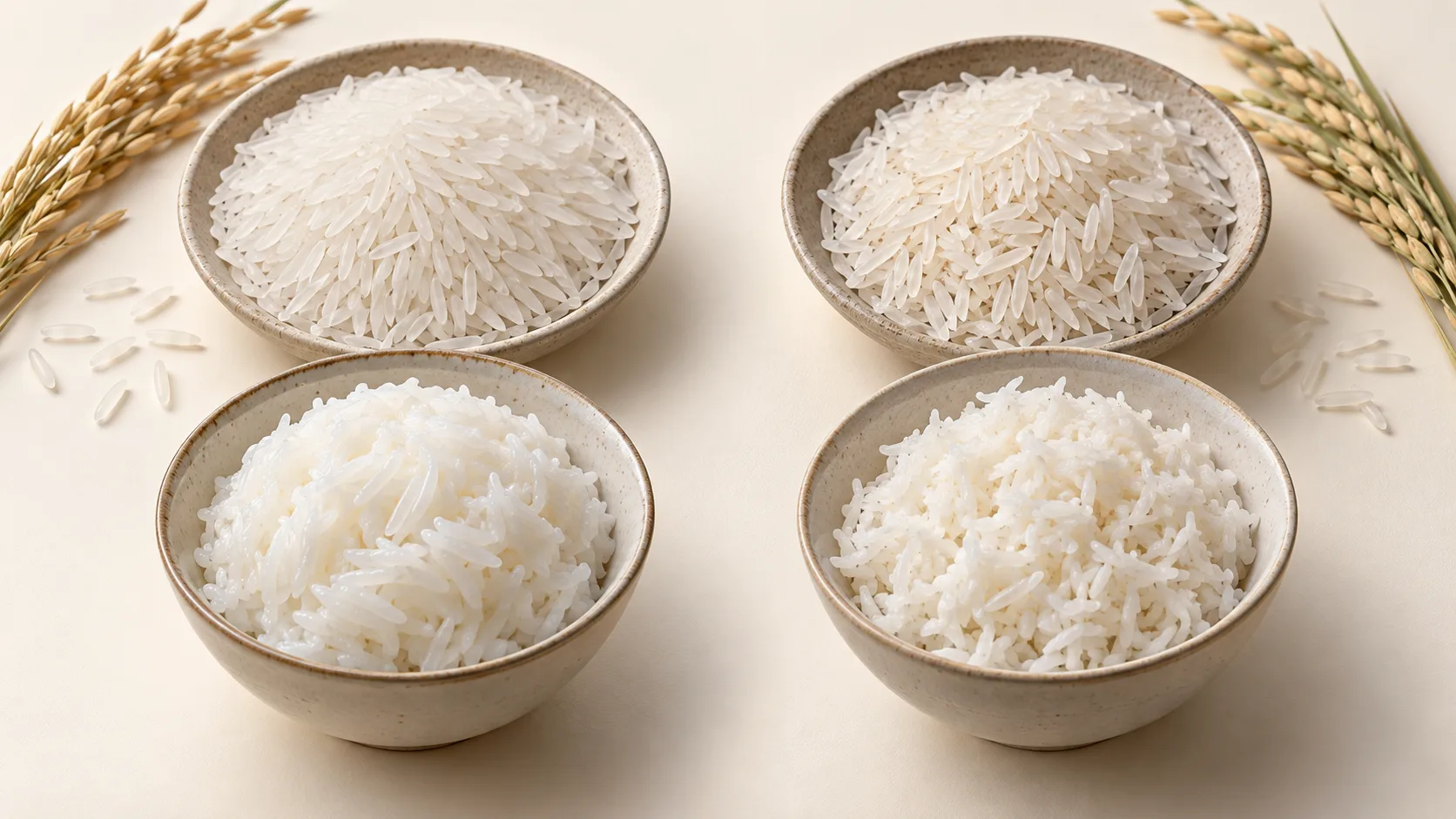
ST25 is a specific Vietnamese fragrant rice cultivar, while jasmine rice is a broader market term for fragrant long-grain rice varieties and products. The most useful ST25 rice vs jasmine rice comparison therefore focuses on aroma, texture, positioning and cooking use instead of treating the two terms as perfectly equivalent categories.
|
Feature |
ST25 |
Jasmine Rice |
|
Classification |
Named Vietnamese cultivar |
Broader fragrant long-grain category or market term |
|
Grain style |
Long and slender |
Usually long and slender |
|
Aroma |
Pronounced; often described with pandan and young-rice notes |
Floral or pandan-like; intensity varies by variety |
|
Cooked texture |
Soft, cohesive, slightly chewy |
Soft; fluffiness and stickiness vary |
|
Sweetness |
Noticeable gentle sweetness |
Usually mild |
|
Market positioning |
Generally premium |
Everyday to premium |
|
Best for |
Rice-forward meals where aroma and texture matter |
Everyday meals, curries, stir-fries and fried rice |
This Vietnamese rice guide does not assume ST25 is automatically better than every jasmine rice. Premium jasmine varieties can also be highly aromatic, while some households may prefer a slightly looser texture for curries, stir-fries or meals with strongly flavored sauces.
Choose ST25 when you want the rice itself to be part of the dining experience. Choose jasmine rice when you want a versatile aromatic grain with a wider range of textures and price points.
Vietnamese Rice Varieties Beyond ST25
Vietnamese rice extends far beyond ST25, and several other varieties are better suited to specific dishes or eating preferences. This Vietnamese rice guide includes aromatic Nàng Hương rice, broken rice and red rice because each solves a different culinary need.
Vietnamese Jasmine and Nàng Hương Rice
Vietnamese jasmine-style rice and aromatic varieties such as Nàng Hương are practical everyday choices when you want fragrant rice without necessarily choosing a premium ST25 product. Their aroma, softness and stickiness can vary by cultivar, harvest and milling method.
The word “fragrant” alone therefore tells you relatively little. Compare the actual variety, milling level and producer when choosing Vietnamese jasmine rice for regular family meals.
Broken Rice — The Rice Behind Cơm Tấm
Broken rice, or gạo tấm, consists of rice kernels that have broken during milling and handling. Once considered a lower-value by-product, broken rice became the defining grain of cơm tấm, one of Ho Chi Minh City’s most recognizable everyday dishes.
For this Vietnamese rice guide, broken rice is not simply a cheaper substitute for whole grains. Its smaller pieces create a noticeably different cooked texture, which is exactly why using genuine broken rice gives cơm tấm a more characteristic result than breaking ordinary long-grain rice at home.
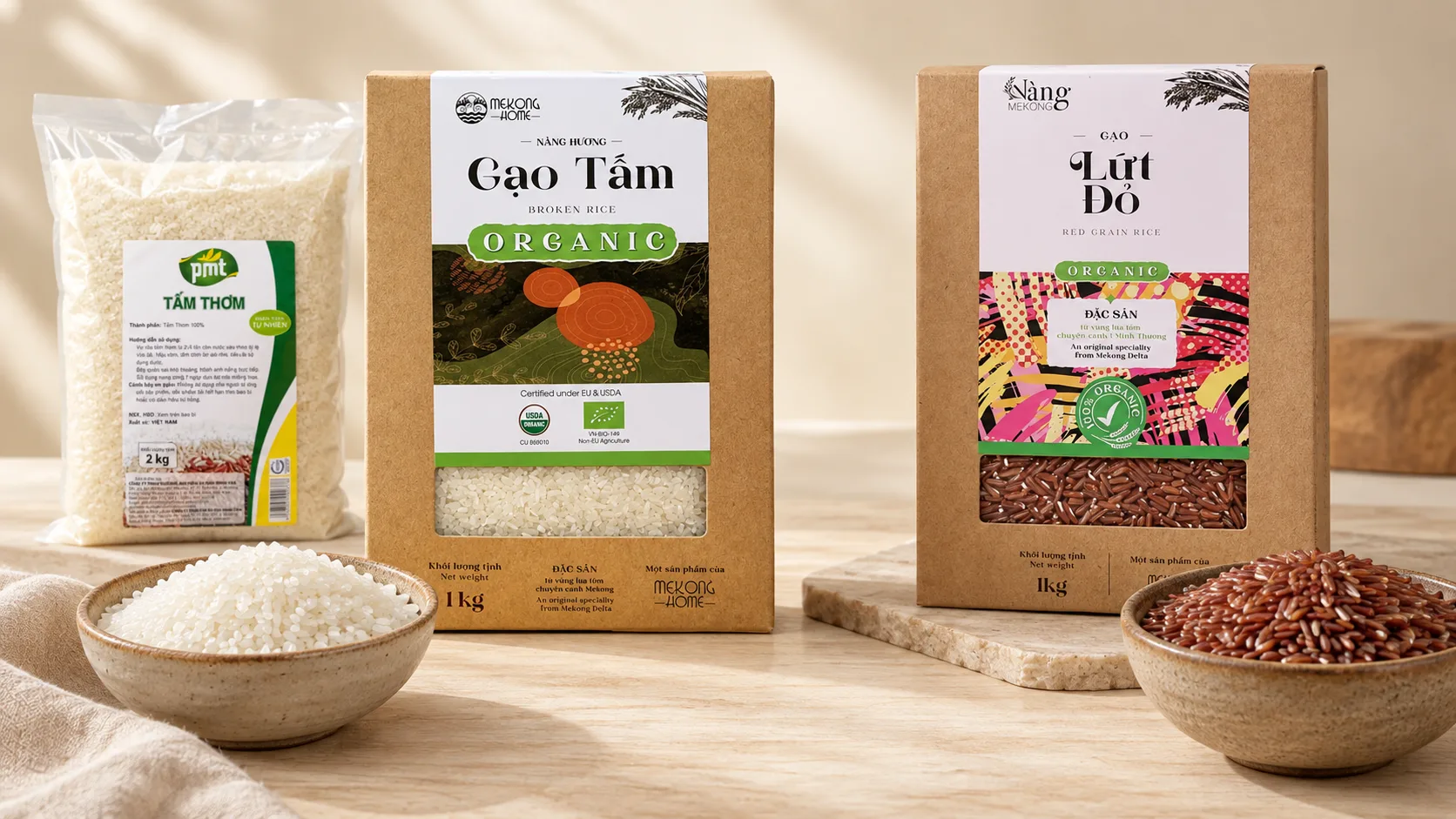
MEKONG HOME Organic Nàng Hương Broken Rice 1kg is made in Vietnam from 100% organic broken rice. It combines the characteristic broken-grain format with the aroma of Nàng Hương rice, making it particularly relevant for shoppers preparing cơm tấm who also prioritize organic production.
For a more everyday option, PMT Broken Jasmine Rice 2kg is a Vietnamese broken fragrant rice. It is better suited to shoppers looking for an accessible grain for dishes such as cơm tấm, porridge or simple family meals without specifically prioritizing organic certification.
Red Rice — A Whole-Grain Alternative
Red rice retains a pigmented bran layer that polished white rice largely removes. This gives red rice a firmer chew, nuttier flavor and a different nutritional profile, making it useful for grain bowls and meals where a whole-grain texture is desirable.
Research on pigmented rice shows that the bran layer contains naturally occurring phenolic compounds. Because red rice retains more of this outer layer than highly polished white rice, it also generally provides more fiber and bran-associated compounds.
That does not mean red rice is automatically the better choice for every person or meal. Dietary needs, digestion, preferred texture and the rest of the meal still matter.
MEKONG HOME Organic Red Grain Rice 1kg is made in Vietnam from 100% organic red rice. Its firmer texture and retained bran make it particularly suitable for shoppers who prefer whole-grain rice, grain bowls or more textured everyday meals.
Red rice retains a pigmented bran layer containing naturally occurring phenolic compounds, a characteristic documented in research on pigmented rice.
How to Choose Vietnamese Rice for Your Meal
The best Vietnamese rice depends on what you are cooking, the texture you enjoy and whether you prioritize fragrance, whole grains or organic production. Instead of looking for one universal “best Vietnamese rice,” this Vietnamese rice guide recommends starting with the meal.
|
What You Are Cooking or Prioritizing |
Rice to Start With |
Why |
|
Premium family meal |
ST25 |
Fragrant, soft and gently sweet |
|
Everyday Vietnamese meals |
Jasmine or Nàng Hương |
Versatile aromatic options |
|
Cơm tấm |
Broken rice |
Correct grain style and characteristic texture |
|
Fried rice |
Jasmine or fragrant rice cooked and cooled |
Works well when prepared for separated grains |
|
Whole-grain bowl |
Red rice |
Firmer, nuttier and retains the bran |
|
Organic-first purchase |
Organic ST25 with documented organic production |
Combines ST25 eating qualities with an organic farming preference |
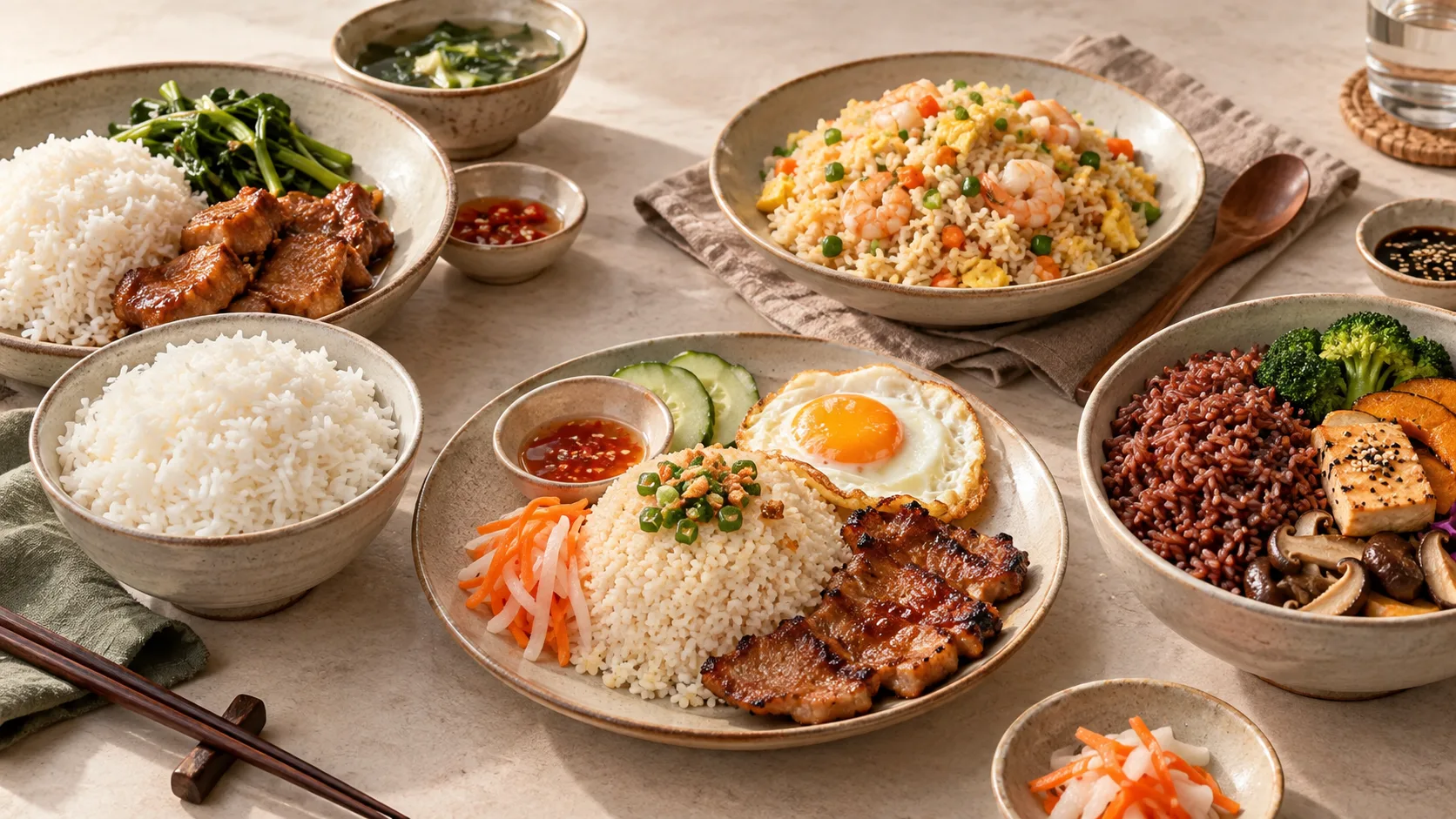
The table is a starting point rather than a strict rule. Fried rice, for example, depends as much on how the rice is cooked and cooled as on the variety itself.
If two bags appear similar, compare the cultivar, milling level, origin, farming claims, certification, pack size and cooking instructions. Those details usually provide more useful information than broad phrases such as “premium rice.”
Organic ST25 vs Regular ST25
Organic ST25 and regular ST25 can come from the same cultivar; the key difference is how the crop is produced and documented. Organic production does not automatically make ST25 more nutritious or better tasting, but it matters to shoppers who prioritize specific farming practices.
HASABIO Organic White Grain Rice ST25 1kg is made in Vietnam from 100% organic ST25 white rice. The product is positioned for shoppers who want the characteristic soft, fragrant ST25 eating experience while specifically prioritizing an organically produced option.
Gạo Ông Cua ST25 Lúa–Tôm, meanwhile, emphasizes the ST25 cultivar, Sóc Trăng origin and rice–shrimp farming context. It is more relevant to shoppers interested in the original ST25 story and regional farming system rather than organic status alone.
How to Cook and Store Vietnamese Rice
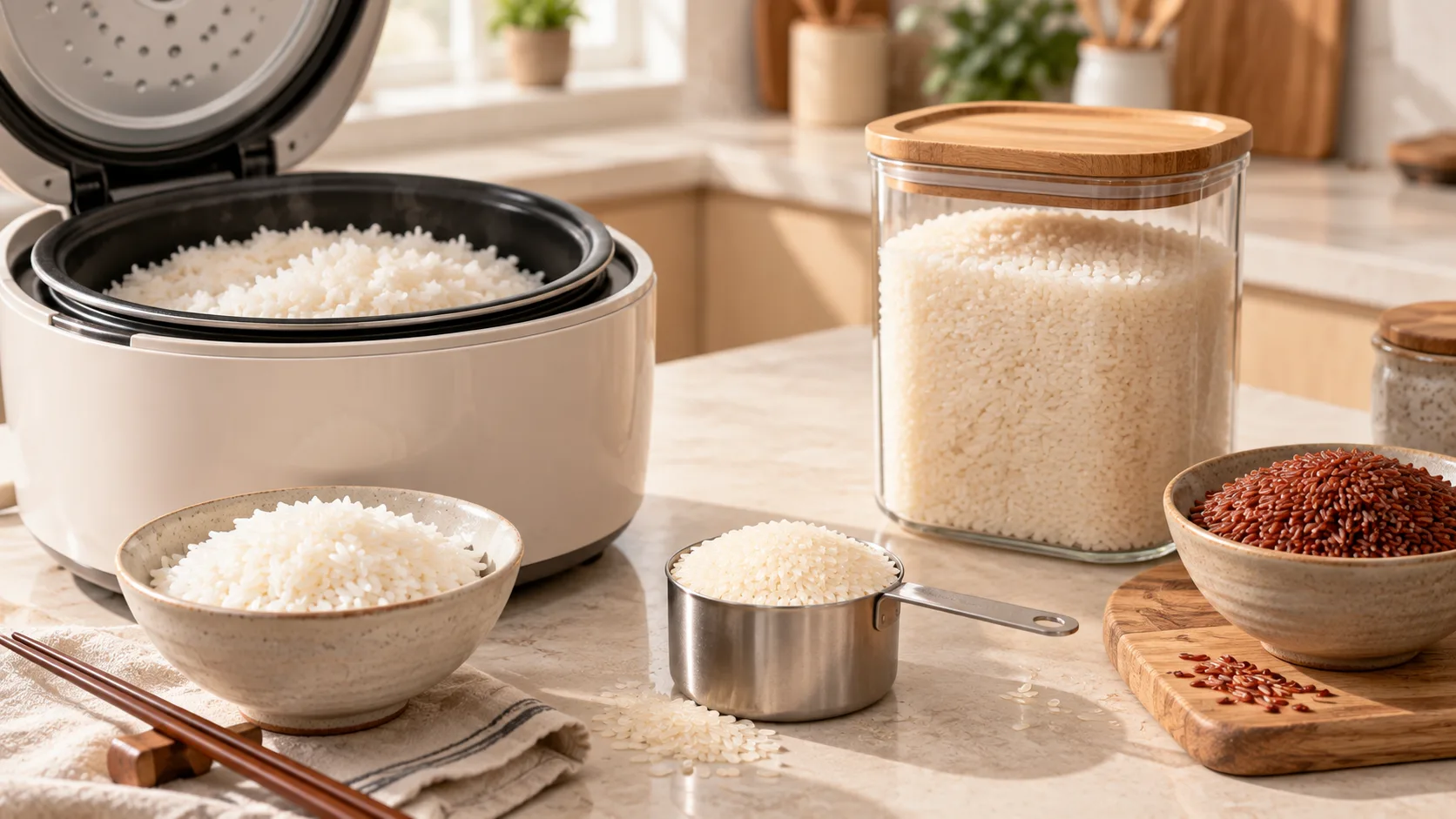
Most Vietnamese white rice is straightforward to cook, but the ideal amount of water varies by cultivar, harvest, cooker and preferred texture. A reliable Vietnamese rice guide should therefore treat package instructions as the starting point instead of applying one ratio to every type of rice.
Quick Water Guide
For Gạo Ông Cua ST25 Lúa–Tôm, a 1:1 to 1:1.2 rice-to-water ratio is a useful starting point. Letting the cooked rice rest for roughly 10–15 minutes before serving can also help the grains settle and reach a more pleasant texture.
HASABIO Organic ST25 lists approximately a 1:1 starting ratio. The amount of water can then be adjusted depending on the rice cooker and whether you prefer softer or firmer rice.
Red rice generally requires more water and longer cooking than polished white rice. The MEKONG HOME red rice instructions recommend approximately 1 part rice to 1.5–2 parts water, with optional soaking beforehand to soften the grains.
How to Store Rice
Keep uncooked rice in a cool, dry place away from direct sunlight and high humidity. After opening the package, reseal it carefully or transfer the rice to a clean airtight container to reduce exposure to moisture and pantry pests.
Product-specific storage directions should take priority whenever a package gives more detailed instructions.
Where to Buy Vietnamese Rice in Ho Chi Minh City
When buying Vietnamese rice in Ho Chi Minh City, check the rice variety, producer, place of origin, packaging condition and any organic certification or production claim you are paying for. This Vietnamese rice guide recommends traceable label information over vague “premium” claims, particularly when buying ST25.
For ST25, it is also worth distinguishing between the ST25 cultivar and the producer or brand on the package. For broken or red rice, look at milling style and intended use rather than assuming a more expensive product is automatically the better option.
Choosing the Right Vietnamese Rice
There is no single rice that is best for every Vietnamese meal. ST25 works particularly well when fragrance, softness and the rice itself are central to the plate; jasmine and Nàng Hương are flexible everyday options; broken rice defines cơm tấm; and red rice provides a firmer whole-grain alternative.
These varieties and other options can be explored in the Mì, Gạo, Pasta selection currently listed at ROOTS, with competitive pricing, a genuine-product guarantee and express delivery within one hour for eligible customers in inner Ho Chi Minh City.
Start with the dish you plan to cook, then compare the variety, texture, origin and farming information on the label. Wherever you buy rice, checking the current production date, packaging condition and certification details is one of the simplest ways to make a more informed choice.